Going underground - Wieliczka Salt Mine
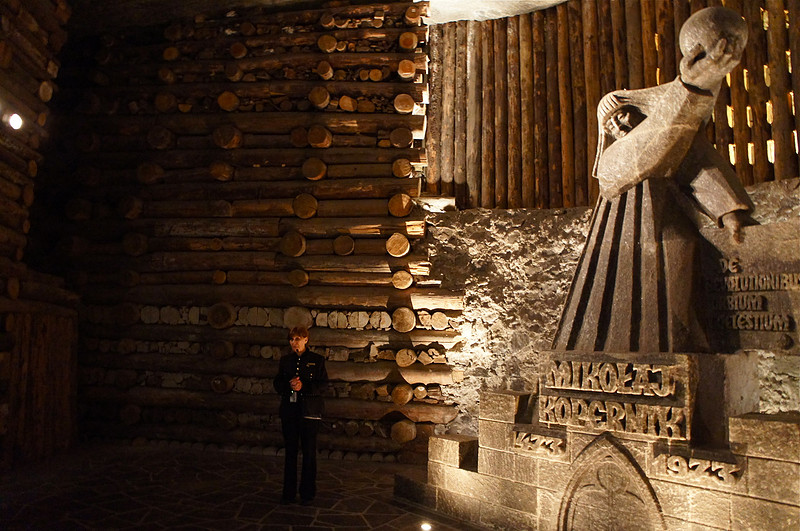
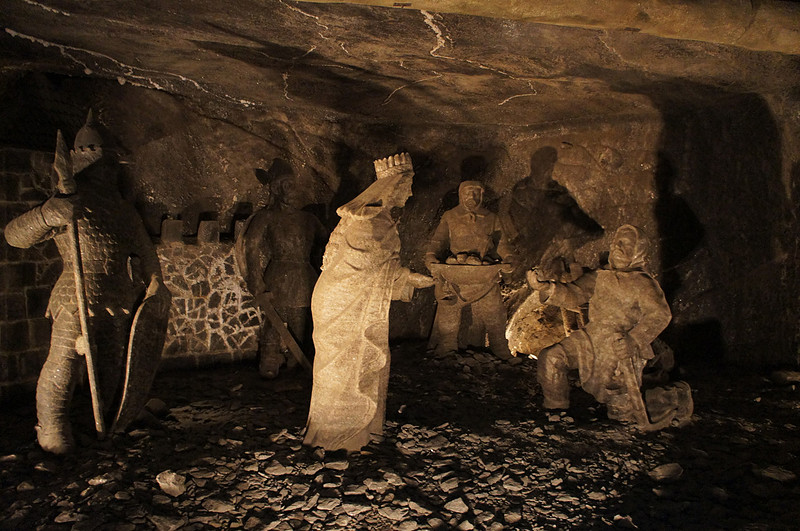
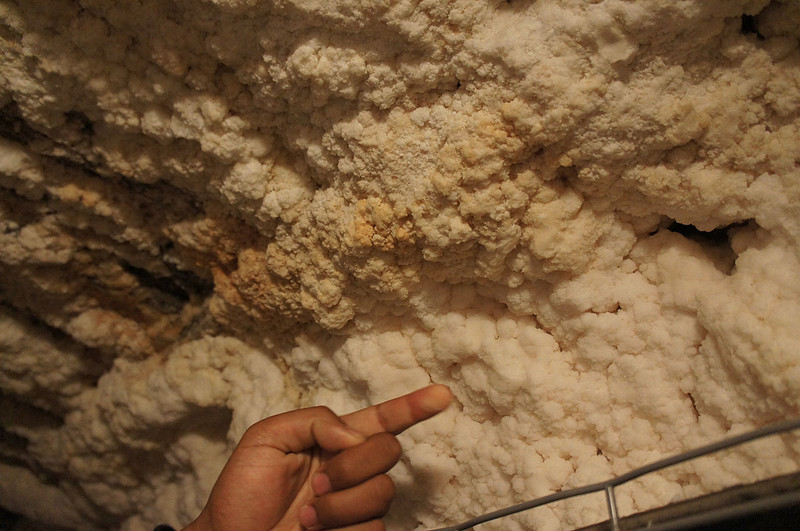
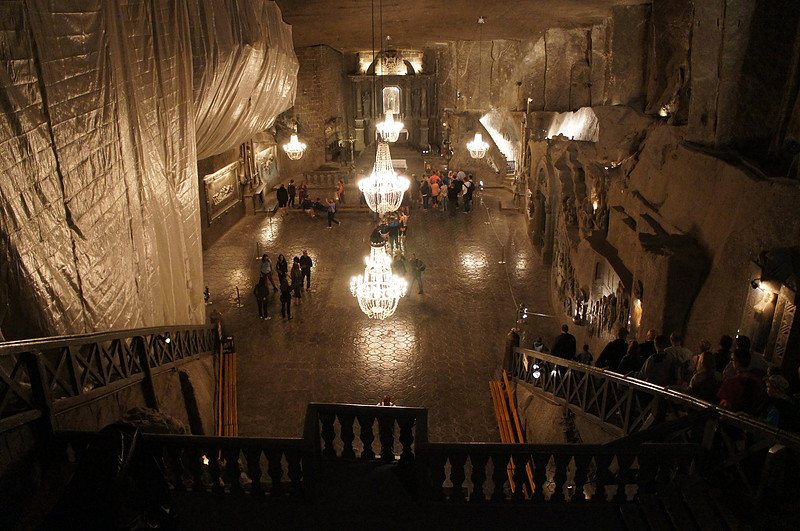
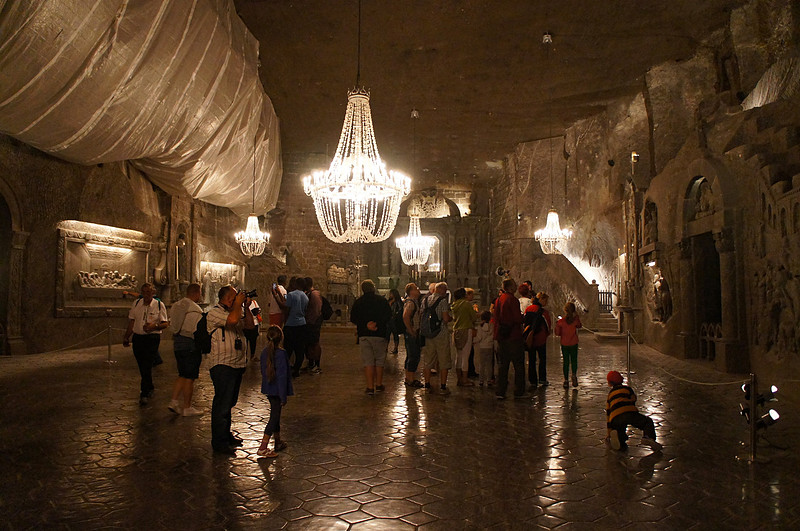
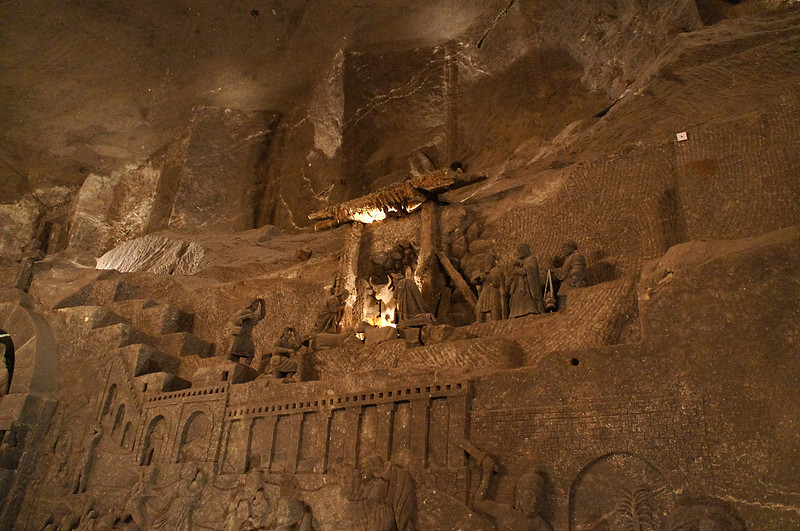
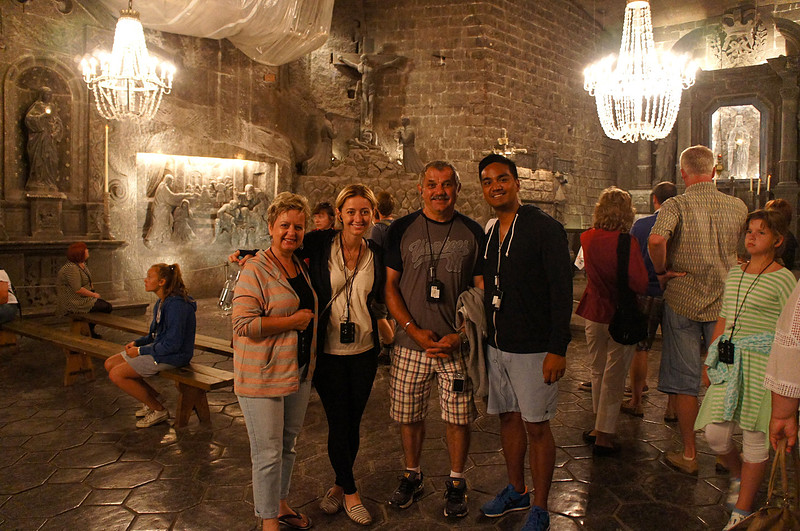
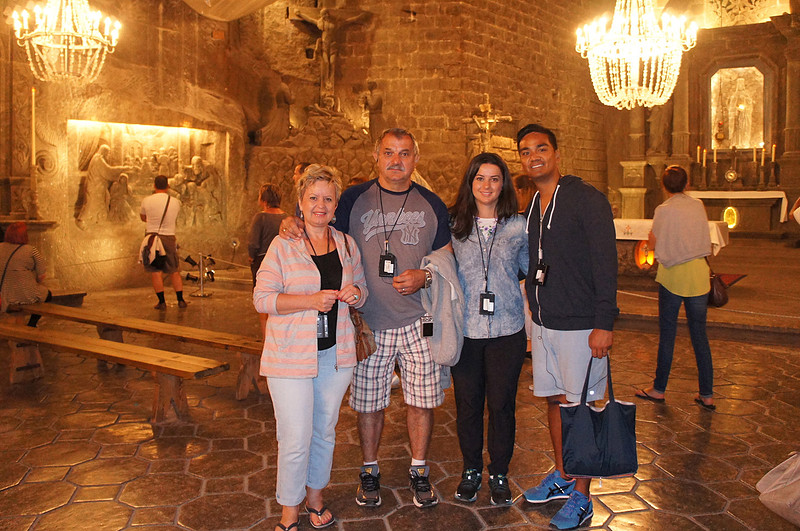
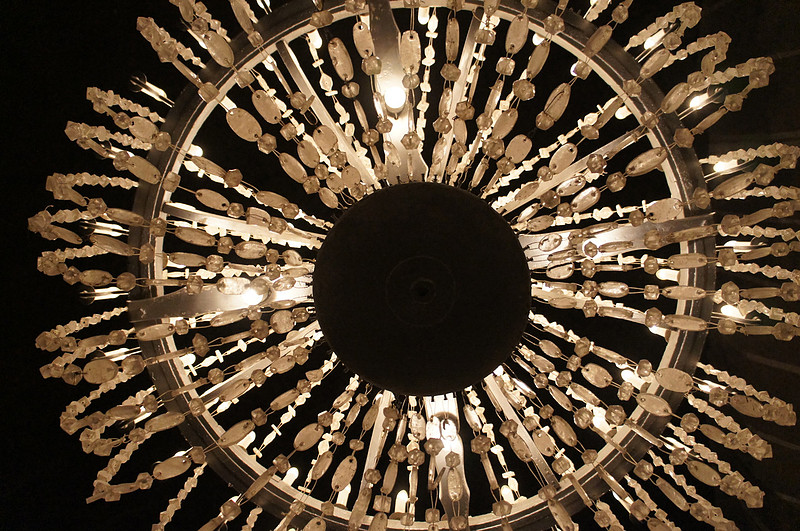
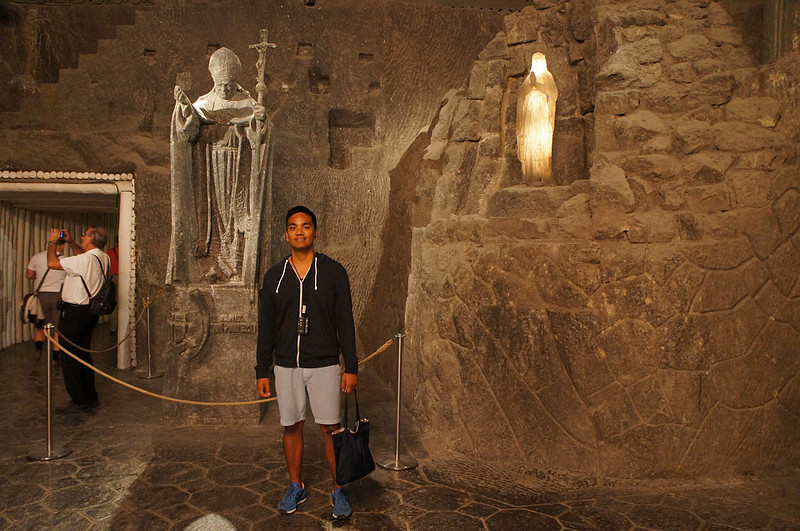
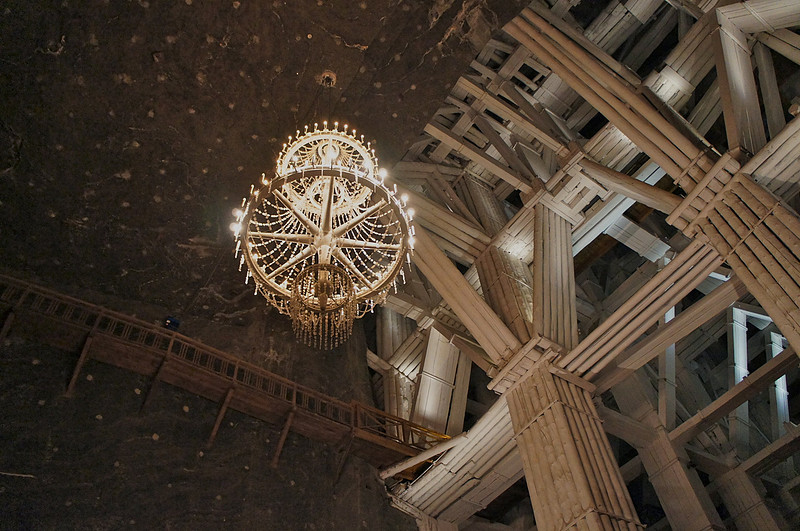
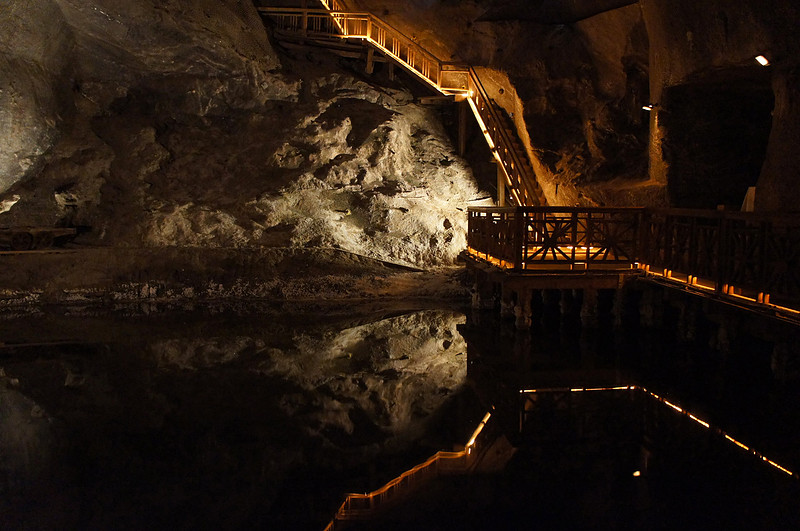
*Post written by Vlad* After two fun filled days in Krakow, it was time to head south to wifey's hometown in the south east of Poland. But first, we all decided to check out the historic salt mine of Wieliczka, in the town of the same name, just 20 min from Krakow. After thinking it was going to be a just a few guys in the side of the road filling up salt packets, I was pleasantly amazed at how spectacular the salt mine was (as you will see from the pics below). Edyta was kind enough to bring me on the English tour, while Gabi and the parents opted for the Polish version. With over 1 million visitors annually, the Wieliczka salt mine conducts guided tours in these two languages, as well as Russian, German, Italian and French. All visits are guided otherwise people would get lost and not found for days. The decent to over 1,000 ft underground began with walking down 800 plus steps down a narrow, wooden corridor. From there, it opened up a series of huge rooms, joined by a maze of corridors totaling 3km, carved through the salt deposits. The salt mine contains almost 2,400 chambers connected by corridors measuring 245km (155 miles). So if you do some math, you can see that tours groups are exposed to just a bit over 1% of the total hallway length. Crazy! Our witty tour guide walked us through the history of the salt mine and its importance to the Polish people. Legend has it Hungarian Princess Kinga was to marry the Prince of Krakow in the 13th century. Before leaving Hungary for Poland, she asked her father for a lump of salt to bring as it was scarce in Poland. It was at a Hungarian salt mine where she tossed her engagement ring into. Upon her arrival in Poland, Kinga asked the miners to dig until they came upon a rock. When they discovered a large lump of salt and split it in two, Kinga's engagement ring appeared. It is because of this that Kinga is known as the patron of salt. And if you think to yourself "what's the big deal with salt?", imagine going without it for few days. Fries with no salt!? Unimaginable! Preserving foods such as meats and pickling would not be possible. And we also need the sodium present in salt to live. Hence why finding salt in Poland was such an important event. The most impressive spot in the salt mine was the Chapel of St. Kinga (Kaplica Sw. Kingi). This grand ballroom-type hall looked as if it were carved from polished marble. It contained elaborate carvings (mostly religious) and had chandeliers that hung from the ceiling. It's mind blowing to think that the entire room was carved from salt deposits. Not quite as impressive, yet worth mentioning was the presence of a gift shop, bar/restaurant and wifi at the conclusion of the tour. Pretty sure the router was carved from salt. Historians would have been proud. @wieliczkasaltmine #NaCl. For those with respiratory illnesses, asthma and allergies, there is an Underground Health Resort where various health treatments are offered. The microclimate in the mine is said to be beneficial. Guests can also rent out reception rooms to host parties and weddings, as well as conference rooms for suits to impress their clients. Concerts have also been held here. #DMX3TenorsWorldTour For more photos of Wieliczka, please visit the Gallery page.
For more photos of Wieliczka, please visit the Gallery page. Oh and if you have any questions on this trip, let us know and we'll gladly answer!
|